
NC Fiduciary Litigation Commentary

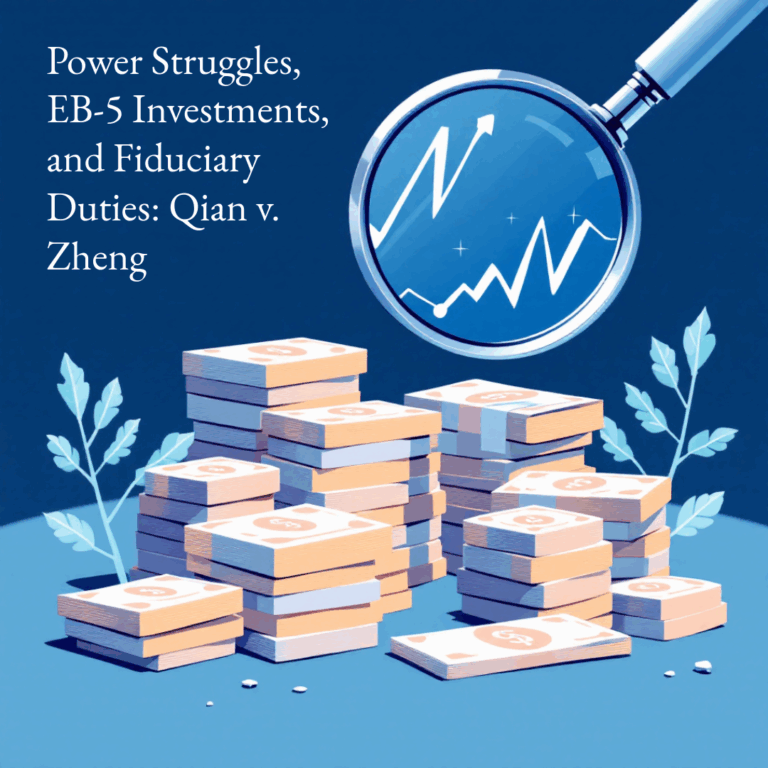
The North Carolina Business Court’s decision in Qian v. Zheng (2025 NCBC 46) offers a striking look at fiduciary duty disputes, internal governance battles, and the challenges of managing immigrant investor funds. The case centers on Carolina Sawmills, L.P. (“CSLP”), a North Carolina limited partnership that raised $75.5 million from 151 Chinese investors through the…
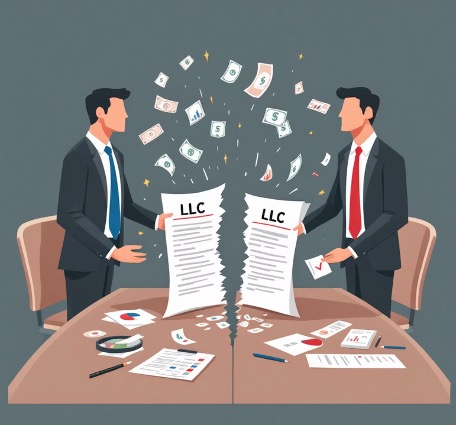
Starting a business with someone often begins with excitement and trust. You make plans, divide responsibilities, and work toward a shared vision. But when trust breaks down, the damage can be personal and financial. In the case of Friedmann v. Griffin, Terry Friedmann, a thirty percent owner of Oceanic Partners Holdings, LLC, alleged that James…

The explosion of AI-generated images is transforming industries from marketing to entertainment, but it’s also creating a new frontier of legal challenges. Artists and businesses are increasingly using AI tools to produce stunning visuals in seconds. Yet the legal system is racing to keep up with questions about who owns these creations, how existing copyright…

When business deals break down, parties often attempt to escalate a simple breach of contract into something more dramatic—such as a claim for fraud or negligent misrepresentation. But in North Carolina, the economic loss doctrine (ELD) draws a clear line. This legal principle bars tort claims for purely economic losses that arise out of a…
When it comes to estate planning, a will is one of the most essential legal documents a person can create. But not just any document claiming to express your final wishes will be recognized by North Carolina courts. State law imposes specific requirements that must be met for a will to be considered valid. Understanding…

When it comes to estate planning, two of the most common legal tools used to manage the distribution of assets are trusts and wills. While they share a similar goal—ensuring assets are passed on according to your wishes—they are fundamentally different in their structure and operation. A will is a legal document that dictates how…
Conservatorships (in North Carolina they are known as guardianships) are meant to protect individuals who are unable to manage their own affairs, but the system is far from perfect. Over 1.3 million adults in the U.S. are under conservatorship, controlling a staggering $50 billion in assets. While these legal arrangements are often necessary for individuals…
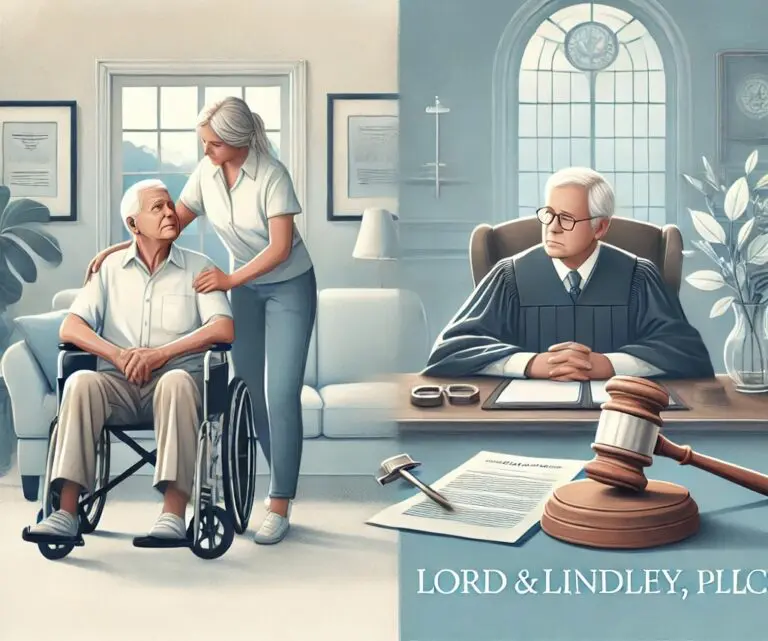
A recent high-profile case highlights the critical role conservatorships play in protecting individuals who are no longer capable of managing their affairs. According to a Forbes article, Forrest Preston, the 91-year-old founder of Life Care Centers of America (LCCA), lost control of his $3 billion nursing home empire after a Tennessee court deemed him mentally…
Estate litigation often involves complex disputes where attorneys who drafted estate documents may be called to testify. Whether it’s to explain the intent behind a will’s provisions or clarify the circumstances of its creation, lawyers play a critical role in resolving these disputes. The North Carolina State Bar’s 2024 Formal Ethics Opinion 3 outlines important…

Each February, Black History Month serves as a time to honor the achievements, resilience, and contributions of Black Americans throughout history. Charlotte, a city rich with cultural heritage and historical significance, has played a crucial role in the fight for civil rights and legal progress. From landmark protests to groundbreaking legal battles, the Queen City…