
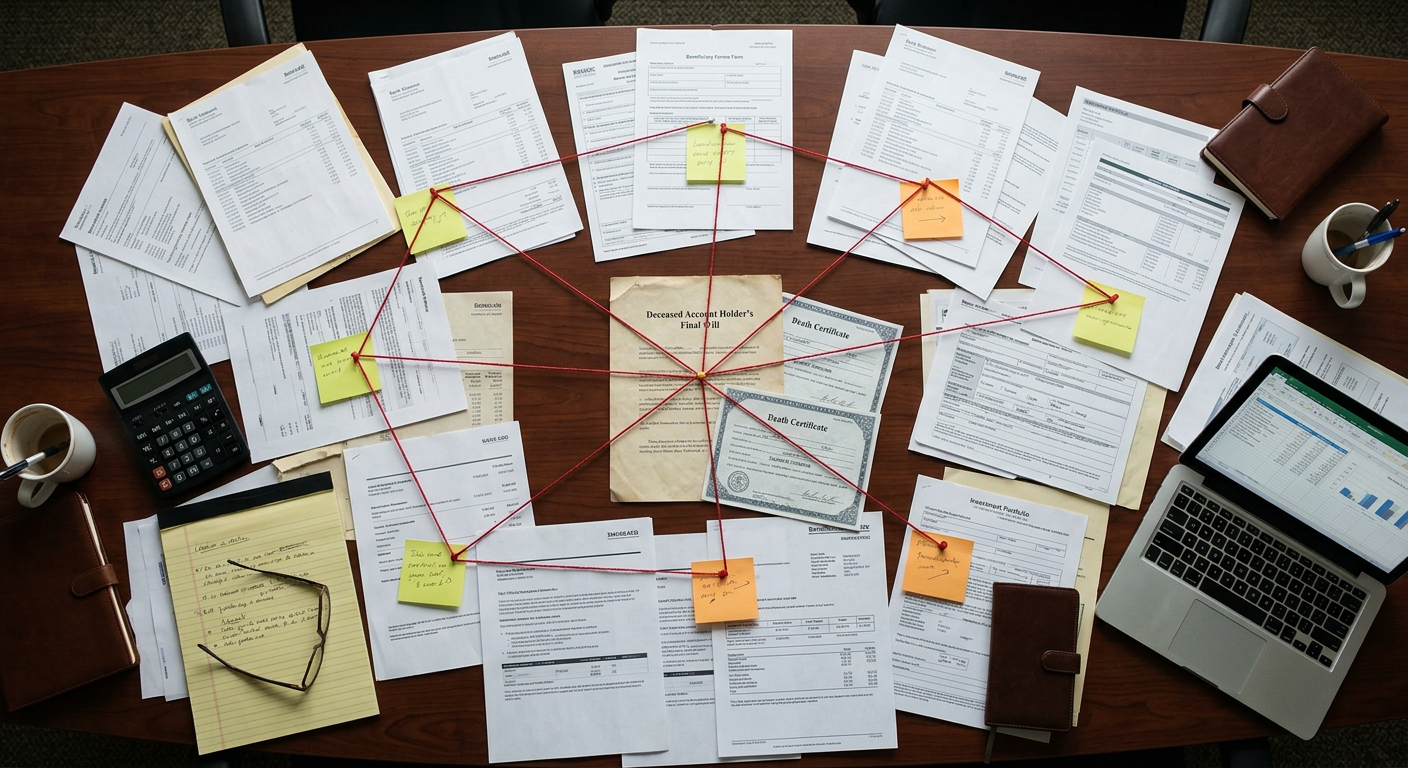
On June 1st, a Kendall County judge sentenced Karen Kay Hogan, a 69-year-old wills and trust attorney from San Antonio, to 20 years in prison for stealing over $500,000 from six children whose parents died in a murder-suicide three and a half years earlier. A Texas probate court appointed Hogan to administer both estates. She opened estate bank accounts with herself as a joint owner, then spent 18 months transferring the money into her own accounts and wiring it elsewhere. By early 2024, one account had $9 in it. At sentencing, she blamed a romance scammer and a brain tumor. The judge imposed the maximum.
The question worth asking is how 18 months of theft happened inside a court-supervised estate. Hogan was accountable to a probate court, but that oversight runs on a schedule and depends on what the fiduciary reports. Courts do not receive bank statements in real time. The system works when the fiduciary is honest. When the fiduciary is not, beneficiaries often find out only after the accounts are empty.
This is not a Texas-only problem. Estate administrators, trustees, guardians, and other court-appointed fiduciaries in North Carolina operate under duties of loyalty and care. Breach of those duties can result in removal, civil liability, and criminal prosecution. The Hogan case is an extreme version of a failure pattern that appears here regularly in less dramatic form. The duty to the beneficiaries does not bend because the fiduciary’s personal circumstances are difficult.
The practical lesson for beneficiaries and heirs is straightforward. You have the right to request accountings from an estate administrator and to review them. Delayed distributions without explanation, resistance to providing records, or administration activity that does not add up deserve attention, not patience. If something about an estate you are involved in does not look right, call us at (704) 457-1010 or visit lordlindley.com.